
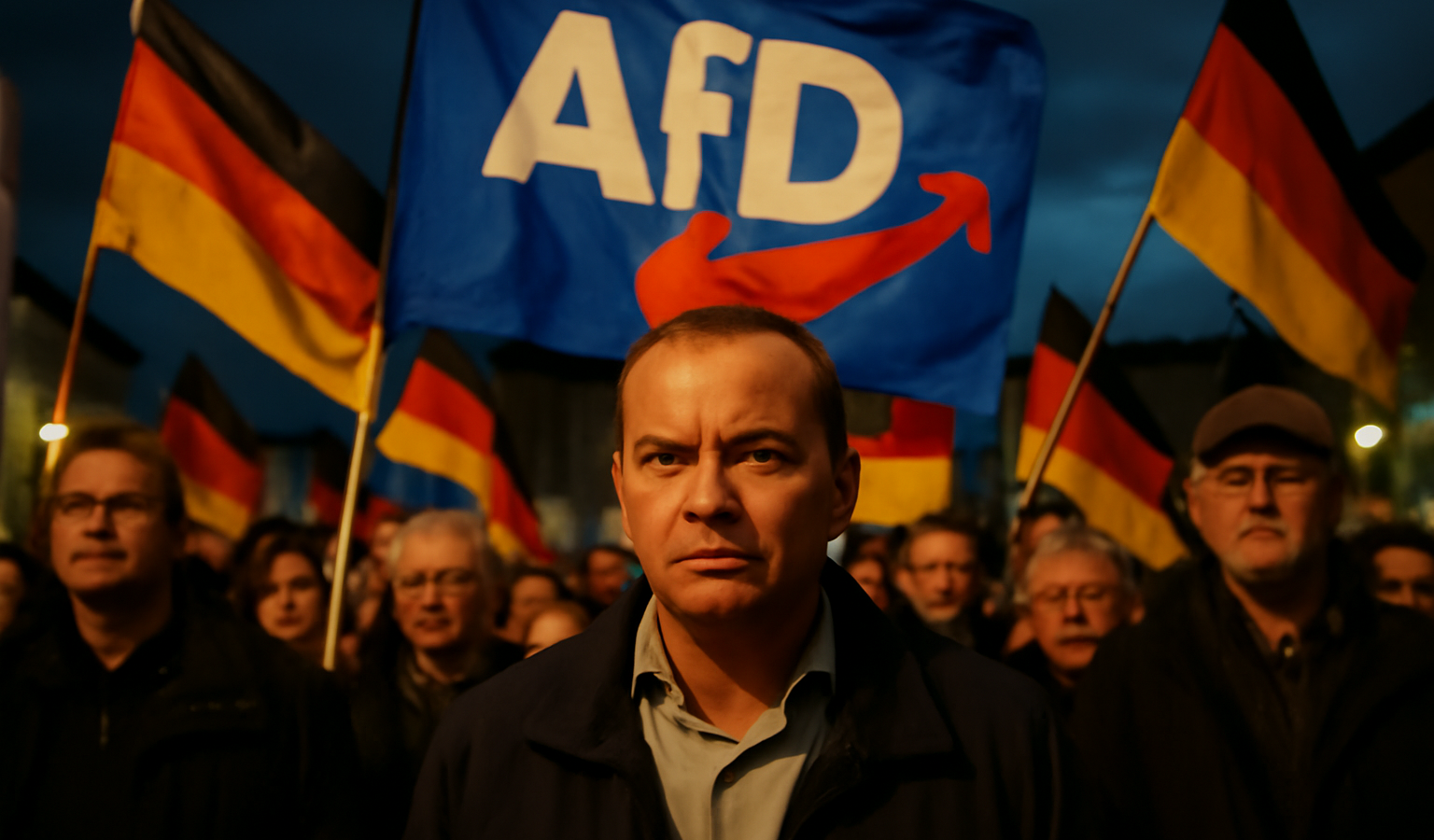
Overview of the AfD’s Far-Right Rise
The Alternative for Germany (AfD) party has achieved a significant electoral milestone, marking a notable shift in German politics. Founded in 2013 initially as a euro-sceptic party, the AfD has evolved over the years, adopting more extreme positions, particularly regarding migration and national identity, contributing to the AfD far-right rise.
Factors Behind the AfD’s Success
Several factors have contributed to the AfD’s recent electoral success. The party has effectively leveraged widespread public concerns about immigration, economic challenges, and dissatisfaction with mainstream political parties. This strategy has resonated with voters who feel their grievances are not being addressed by traditional political avenues.
Immigration and National Identity
The AfD has capitalized on growing anxiety surrounding immigration. By framing migration issues as a threat to national identity and economic stability, the party has mobilized support among individuals who are frustrated with the current government’s policies. This appeal to national identity has become a cornerstone of the AfD’s platform.
Economic Strain
Economic concerns have also played a crucial role in the AfD’s rise. Voters facing economic difficulties have turned to the party as an alternative, driven by the perception that the mainstream parties have failed to address these issues effectively. The AfD’s promises to prioritize the interests of German citizens have resonated in a climate of economic uncertainty.
The Implications of the AfD’s Victory
The AfD’s electoral success raises questions about the future of German politics and the potential normalization of far-right ideologies within the political mainstream. As the party continues to gain traction, it may influence the policies and positions of other political parties in Germany, prompting a broader discussion on immigration and national identity.
Impact on Mainstream Politics
With the AfD’s rise, mainstream political parties may need to reassess their strategies to address the concerns that have fueled the AfD’s support. This could lead to a shift in political discourse, as established parties may feel pressured to adopt more hardline stances on issues related to migration and national identity.
Public Reaction
The public reaction to the AfD’s success is mixed. While some celebrate the party’s rise as a necessary challenge to the status quo, others express concern over the implications for social cohesion and democratic values in Germany. The growing support for the AfD reflects a deeper societal divide that may have long-term consequences for the political landscape.
In conclusion, the AfD’s historic win signifies a pivotal moment in Germany’s political history, highlighting the increasing influence of far-right ideologies. As the party continues to shape the political narrative, the implications for both governance and societal attitudes will be closely watched.
Original reporting by Business Standard (https://www.business-standard.com/world-news/afd-s-historic-win-in-germany-a-sign-of-far-right-rise-126090800018_1.html)



Leave a Reply