
By Jack | 25 October 2026
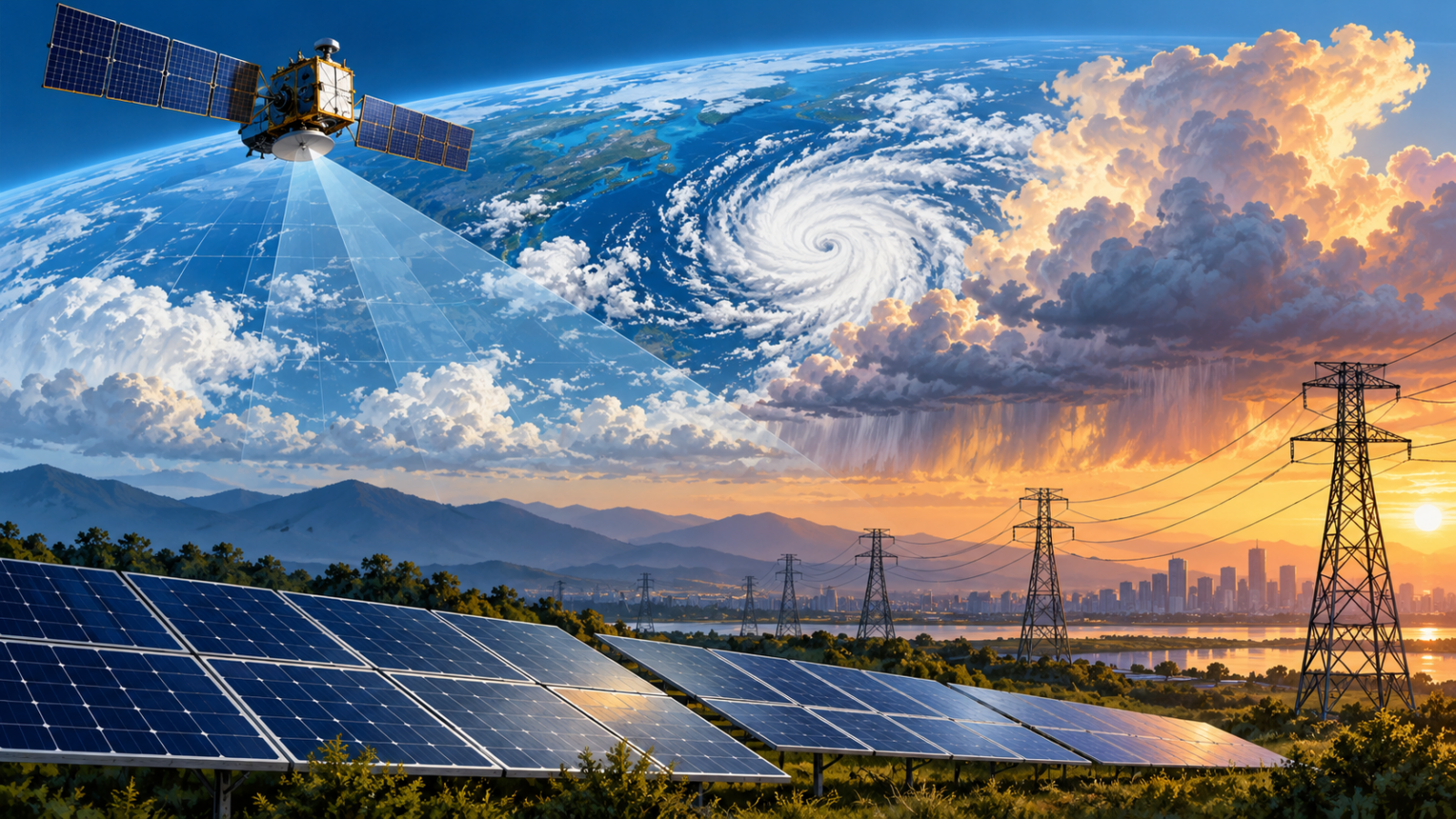
NASA Langley and the Virginia Department of Energy have announced an agreement to use solar, meteorological and future weather-risk information in electricity planning. NASA’s 23 October announcement says the partnership will support resource analysis, resilience studies and long-term planning.
The work will incorporate data from NASA’s Prediction of Worldwide Energy Resources, or POWER, into Virginia Energy’s modelling tools. Teams will also work on data exchange and formats, an important practical step between publishing a dataset and using it in operational analysis.
Why data integration matters
Energy planners need to examine both supply and demand. A weather scenario may change expected generation and the conditions under which people use electricity. Models are useful when their assumptions can be inspected and their input data are suitable for the place and timescale being studied.
The agreement is therefore a data-and-analysis development. It should not be confused with approval of a power plant, a transmission project or a guarantee that outages will fall immediately.
Questions that make the results useful
When studies emerge, readers can ask which geographic areas were modelled, which historical period was used and how future conditions were represented. They can also ask whether a published result is a central estimate or a range reflecting uncertainty.
Those questions matter beyond Virginia. Access to more data does not remove the need for local validation, clear assumptions and comparisons between alternatives. A polished map or dashboard is a presentation layer; the planning value comes from the evidence and decisions behind it.
NASA’s release describes intended support for state planning, rather than measured outcomes from a completed implementation. Future reporting should track the studies produced and the decisions they inform. Follow further developments in our technology section.
Reporting note: Prepared with AI assistance using the linked sources. No on-site reporting, interviews or independent testing is claimed. Thumbnail: AI-generated conceptual illustration, not a documentary photograph or measured data. Corrections: support@globaldailytimes.com.


Leave a Reply