
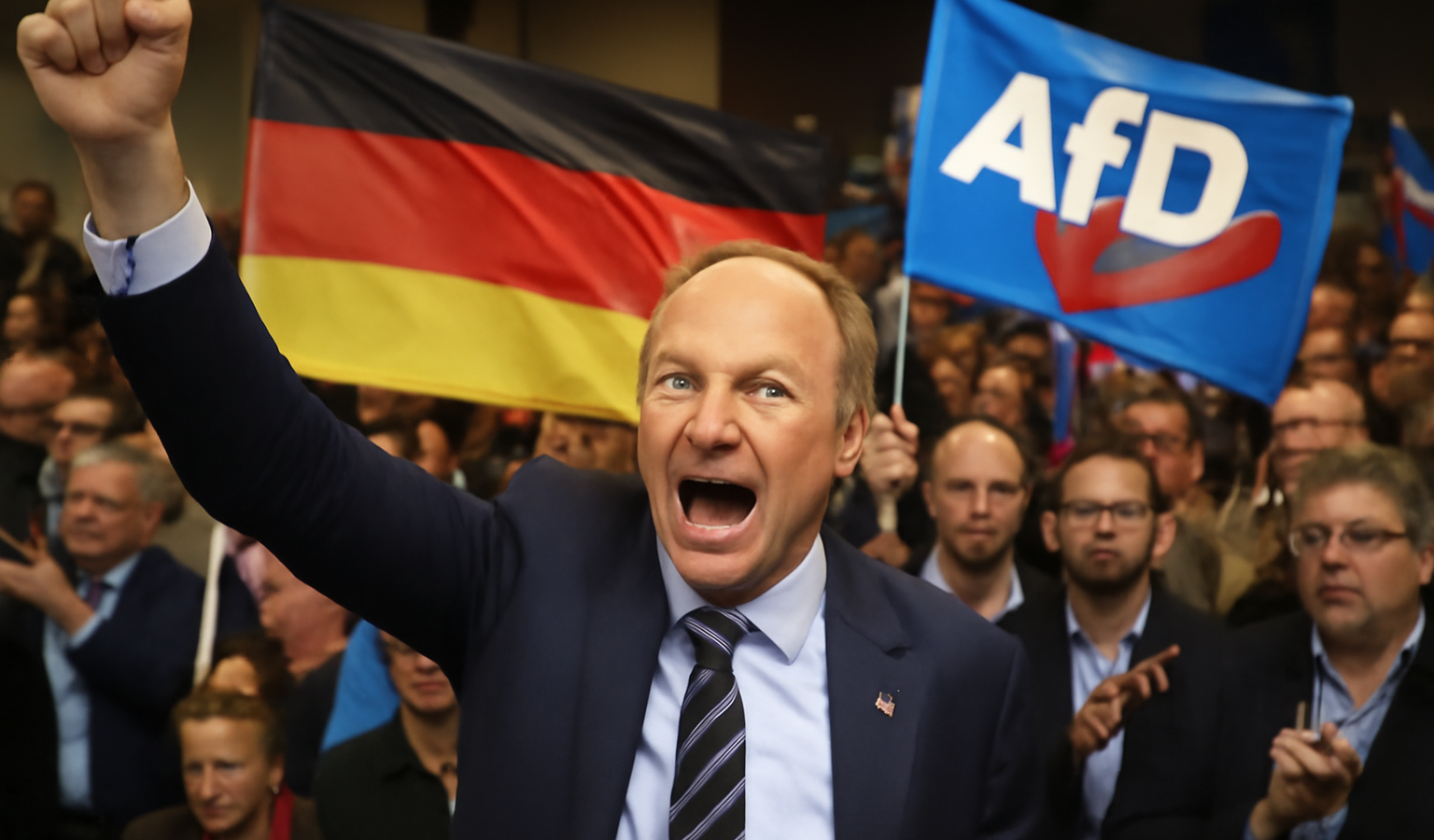
Overview of AfD’s Far-Right Rise
The Alternative for Germany (AfD), a political party founded in 2013, has seen a significant shift in its platform and voter base, particularly regarding issues of migration and national identity. The AfD far-right rise has been marked by its transition from a euro-sceptic party to one that increasingly embraces far-right ideologies, capitalizing on public discontent surrounding immigration and economic challenges.
Factors Behind AfD’s Success
The surge in support for the AfD can be attributed to a combination of factors. The party has effectively harnessed growing anger over immigration policies, economic strain, and dissatisfaction with mainstream political parties. As these issues have become more prevalent in public discourse, the AfD has positioned itself as a voice for those feeling neglected by traditional political structures.
Impact of Immigration Concerns
Immigration has emerged as a central theme in the AfD’s messaging. The party’s narrative has resonated with voters who are concerned about the implications of immigration for national identity and social cohesion. By framing these issues within a context of economic hardship and uncertainty, the AfD has successfully attracted a diverse voter base.
Response to Economic Strain
Economic factors also play a crucial role in the AfD’s rise. Many voters are feeling the effects of economic strain, which has intensified their desire for change. The AfD has tapped into this sentiment, presenting itself as a solution to the challenges posed by current economic policies.
Shifts in Political Landscape
The emergence of the AfD reflects a broader shift in the political landscape of Germany and Europe. As traditional parties grapple with internal divisions and public discontent, far-right parties like the AfD are gaining traction. This trend raises questions about the future of mainstream politics and the potential for further polarization within the electorate.
Conclusion
As the AfD continues to gain support, its influence on German politics is likely to grow. The party’s ability to leverage public concerns about immigration and economic issues highlights a significant shift in voter priorities. Observers will be watching closely to see how this trend develops and what it means for the future of Germany’s political landscape.
Original reporting by Business Standard, available at https://www.business-standard.com/world-news/afd-s-historic-win-in-germany-a-sign-of-far-right-rise-126090800018_1.html



Leave a Reply