
Introduction
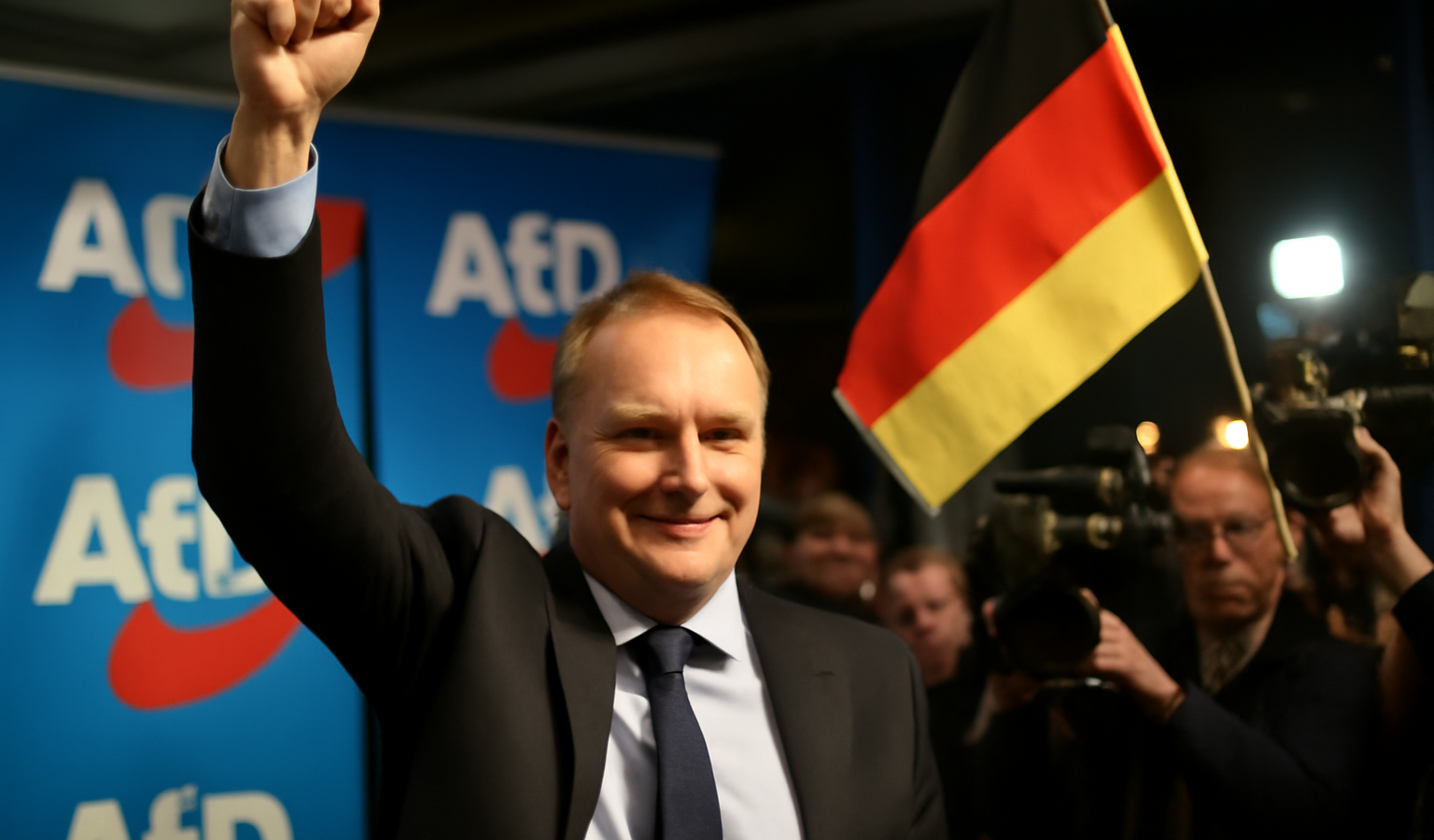
The Alternative for Germany (AfD) party has made significant strides in recent elections, marking a notable shift in the political landscape of Germany. This AfD far-right rise is evident as the party, founded in 2013, initially emerged as a euro-sceptic movement but has since evolved to adopt a more extreme right-wing stance, particularly on issues of migration and national identity.
Shift in Political Strategy
The AfD’s transformation from a euro-sceptic party to a far-right political force reflects a broader trend in German politics. The party has successfully harnessed public discontent regarding immigration, economic challenges, and dissatisfaction with mainstream political parties. This strategic pivot has allowed the AfD to capitalize on voter anger and concerns, converting them into electoral support.
Impact of AfD Far-Right Rise on German Politics
The rise of the AfD poses significant implications for the future of German politics. As the party gains traction, it challenges the traditional political order and raises questions about the direction of policy-making in the country. The AfD’s focus on migration and national identity resonates with a segment of the population that feels overlooked by established parties.
Conclusion
As the AfD continues to gain popularity, observers are left to consider the potential long-term effects of its rise. The party’s success may indicate a shift towards more extreme political ideologies in Germany, reflecting broader trends seen across Europe.
This article is based on reporting from Business Standard.
Original reporting from Business Standard.



Leave a Reply