
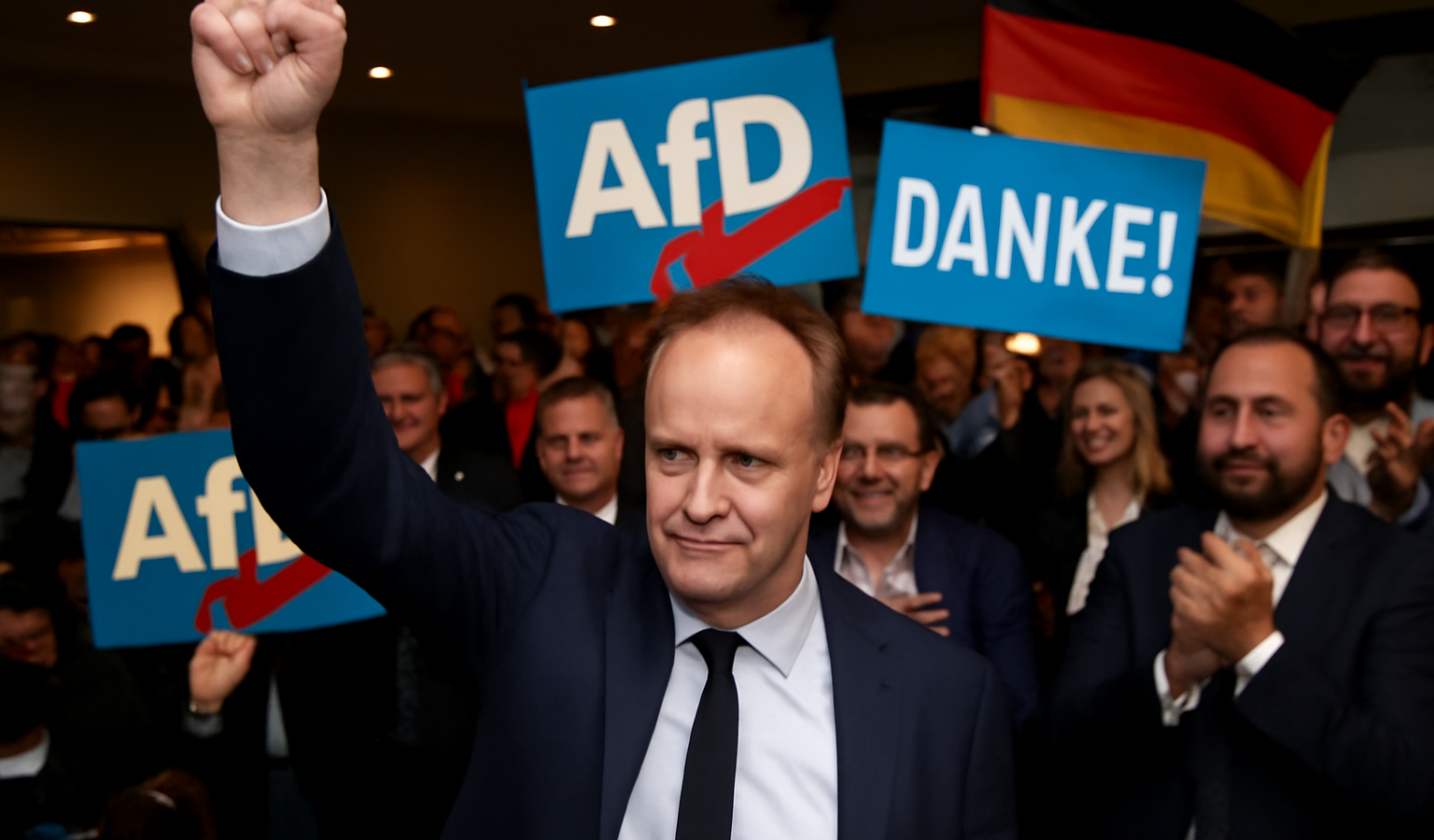
Overview of the AfD Far-Right Rise
The Alternative for Germany (AfD), founded in 2013 initially as a euro-sceptic party, has experienced a significant shift in its political stance, particularly regarding migration and national identity. This transformation has allowed the party to effectively tap into public discontent surrounding immigration, economic pressures, and dissatisfaction with traditional political parties, marking the AfD far-right rise in Germany.
Shifting Political Landscape
In recent years, the AfD has capitalized on growing frustrations among voters, turning these sentiments into electoral success. The party’s focus on issues related to immigration and national identity has resonated with segments of the population who feel that their concerns are overlooked by mainstream parties.
Impact of Immigration and Economic Strain
The AfD’s ascent can be attributed to a combination of factors, notably rising immigration rates and economic challenges faced by many citizens. As public anxiety about these issues grows, the AfD has positioned itself as a voice for those who feel marginalized by the current political discourse.
Conclusion
The AfD’s rapid rise in German politics raises questions about the future of the country’s political landscape. As the party continues to gain traction, it could signal a broader trend of far-right movements gaining influence across Europe. Observers will be closely monitoring how this development affects both domestic and European Union policies.
Source: Business Standard, https://www.business-standard.com/world-news/afd-s-historic-win-in-germany-a-sign-of-far-right-rise-126090800018_1.html



Leave a Reply