
Introduction
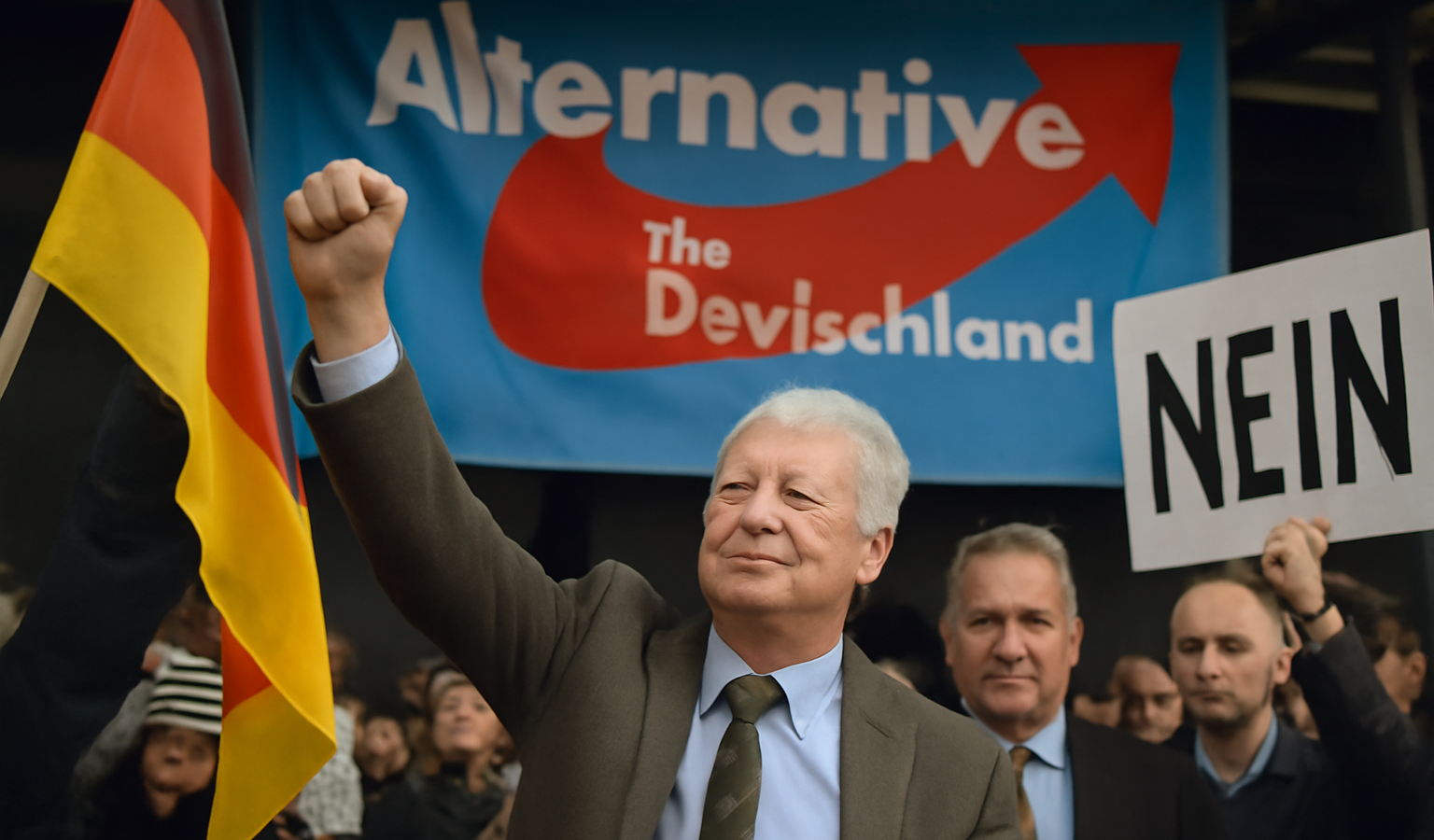
The Alternative for Germany (AfD) party has achieved a significant milestone in its political journey, marking a historic win that raises questions about the rise of far-right ideologies in Germany. Founded in 2013, the AfD initially positioned itself as a euro-sceptic party but has since shifted sharply to the right, gaining traction by addressing concerns over immigration and national identity.
Shift in Political Landscape
Over the years, the AfD has harnessed public discontent regarding immigration policies, economic challenges, and dissatisfaction with mainstream political parties. This strategic pivot has allowed the party to transform public anger into electoral success, positioning itself as a key player in the German political landscape.
Focus on Migration and National Identity
The party’s rhetoric has increasingly focused on migration and national identity, appealing to voters who feel that their concerns are overlooked by traditional parties. This emphasis on immigration has resonated with many citizens amid ongoing debates about Germany’s demographic changes and the integration of migrants into society.
Public Sentiment and Economic Strain
The AfD’s rise can also be attributed to broader public sentiment, particularly in regions facing economic strain. Many voters are looking for alternatives to the established political order, feeling that their needs are not being met by the current government. The AfD’s messaging has tapped into these sentiments, offering solutions that align with the frustrations of a segment of the population.
Conclusion
The AfD’s historic electoral gains signal a notable shift in Germany’s political dynamics, reflecting the growing influence of far-right ideologies. As the party continues to capitalize on public discontent, its role in shaping Germany’s future political landscape remains to be seen.
Source: Business Standard



Leave a Reply