
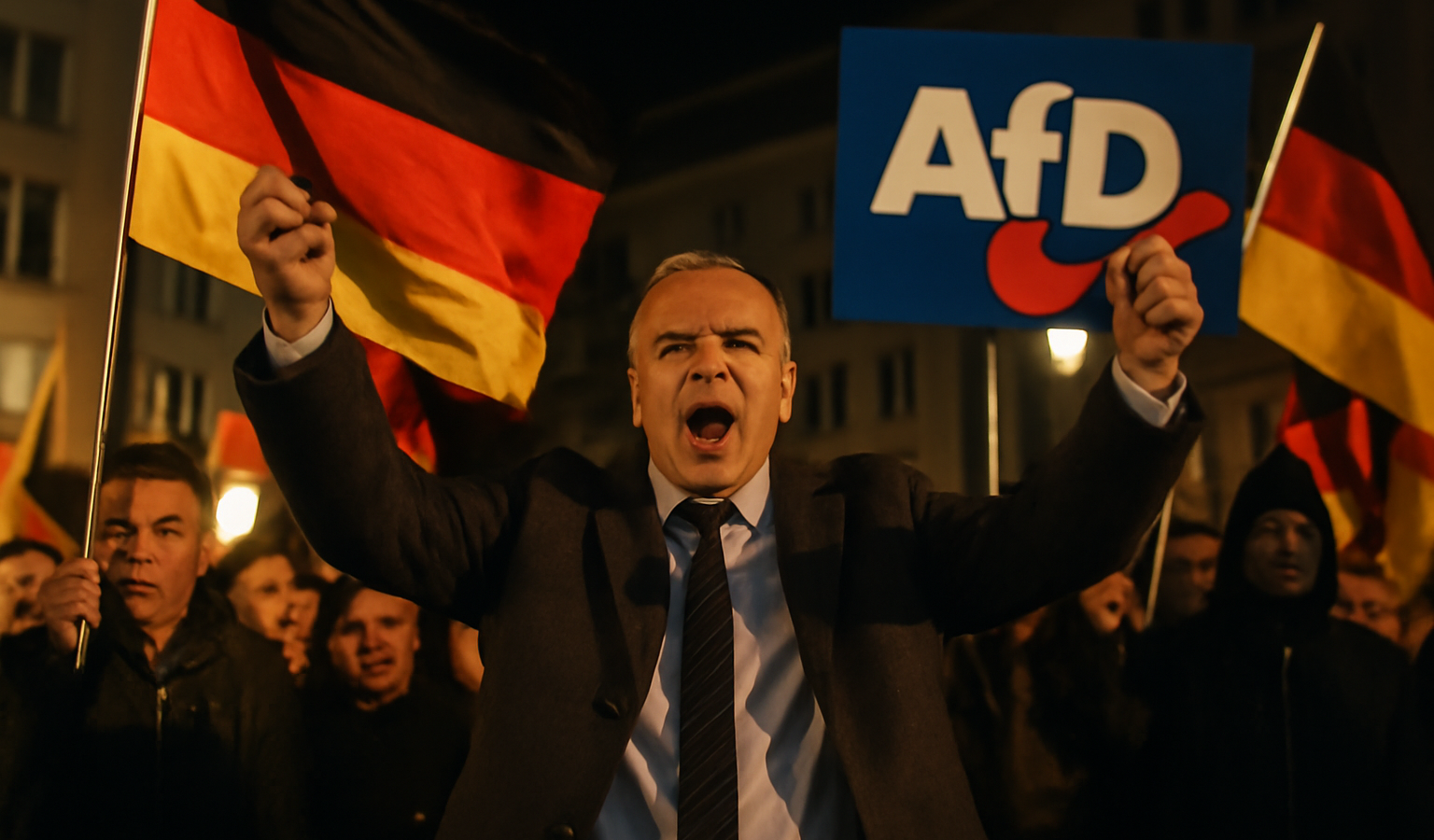
Overview of the AfD’s Historic Win and Rise
The Alternative for Germany (AfD), founded in 2013 as a euro-sceptic party, has recently achieved an AfD historic win in a historic electoral victory. This shift marks a significant moment in German politics, as the party has increasingly adopted far-right positions, particularly regarding migration and national identity.
Factors Contributing to Electoral Success
The AfD’s growth in popularity can be attributed to several key factors. The party has effectively harnessed public discontent surrounding immigration, economic challenges, and dissatisfaction with mainstream political parties. By channeling this anger, the AfD has successfully transformed it into electoral support.
Shifts in Political Landscape
The emergence of the AfD as a significant political force reflects broader trends in Europe, where far-right parties have gained traction in response to similar issues. The party’s success in Germany may signal a shift in the political landscape, prompting discussions on the implications for the future of German and European politics.
Conclusion
The AfD’s historic win raises questions about the rise of far-right sentiment in Germany and beyond. As the party continues to gain support, the impact on national policies and the political climate will be closely monitored.
Originally reported by Business Standard.



Leave a Reply