
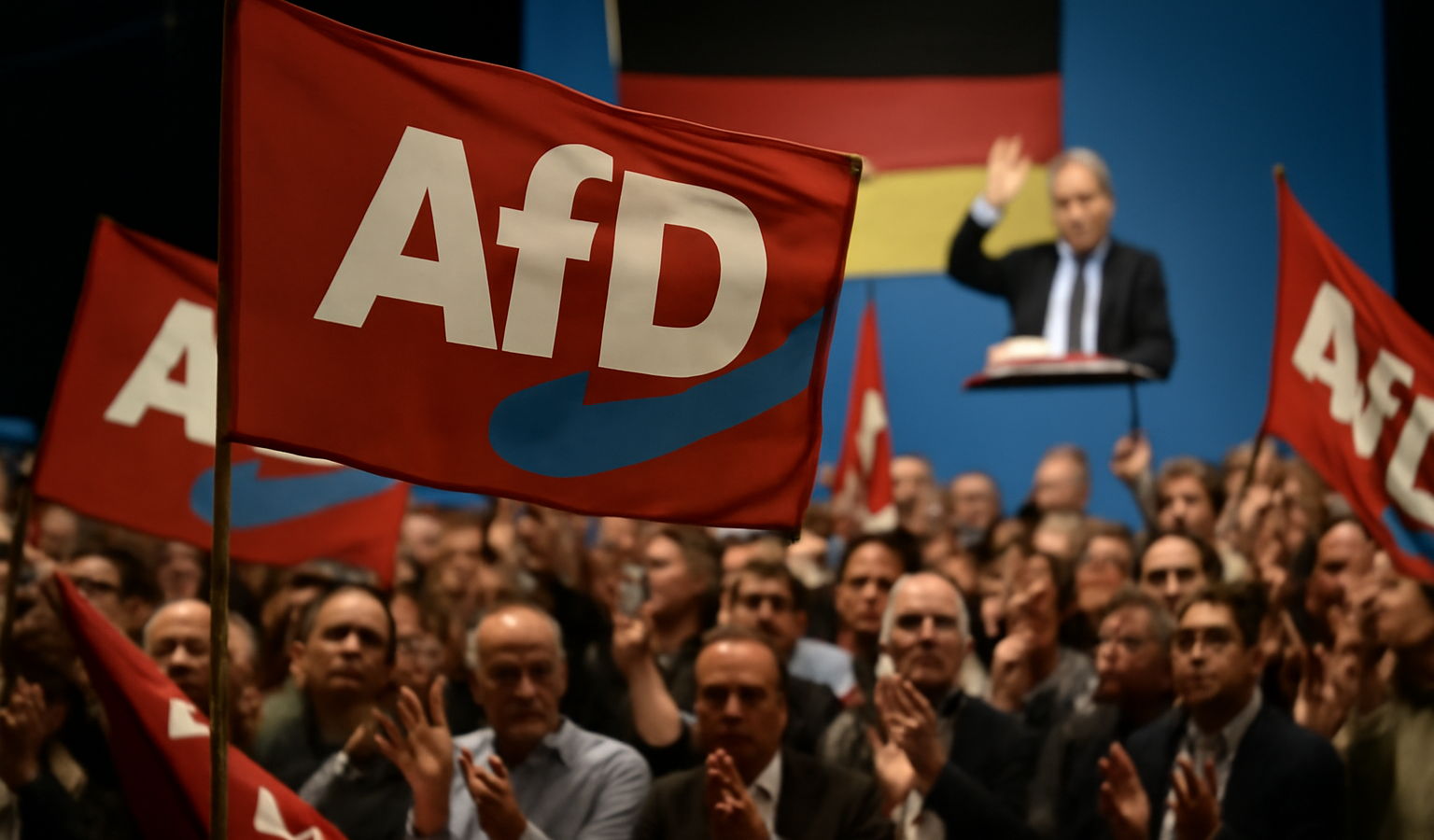
Overview of the AfD’s Historic Win and Political Shift
The Alternative for Germany (AfD) party, originally founded in 2013 as a euro-sceptic political entity, has undergone a significant transformation in its political stance over the years. The AfD historic win reflects a shift from its initial focus on issues related to the eurozone to a sharp turn to the right, particularly regarding migration and national identity.
Factors Contributing to AfD’s Success
The AfD’s recent electoral gains can be attributed to a variety of factors. The party has effectively capitalized on public discontent surrounding immigration, economic challenges, and dissatisfaction with mainstream political parties. By channeling these sentiments, the AfD has been able to turn anger and frustration into electoral support.
The Broader Implications of the AfD’s Rise
The rise of the AfD is seen by many as indicative of a broader trend of increasing far-right sentiment across Europe. As voters become more polarized and disillusioned with traditional political structures, parties like the AfD may continue to gain traction. This shift raises questions about the future of Germany’s political landscape and the potential for further normalization of far-right ideologies.
Conclusion
The AfD’s historic win marks a significant moment in German politics, reflecting a shift towards more extreme positions on immigration and national identity. As the party continues to garner support by addressing public concerns over economic and social issues, its impact on the future of German and European politics remains to be seen.
Source: Business Standard, https://www.business-standard.com/world-news/afd-s-historic-win-in-germany-a-sign-of-far-right-rise-126090800018_1.html



Leave a Reply