
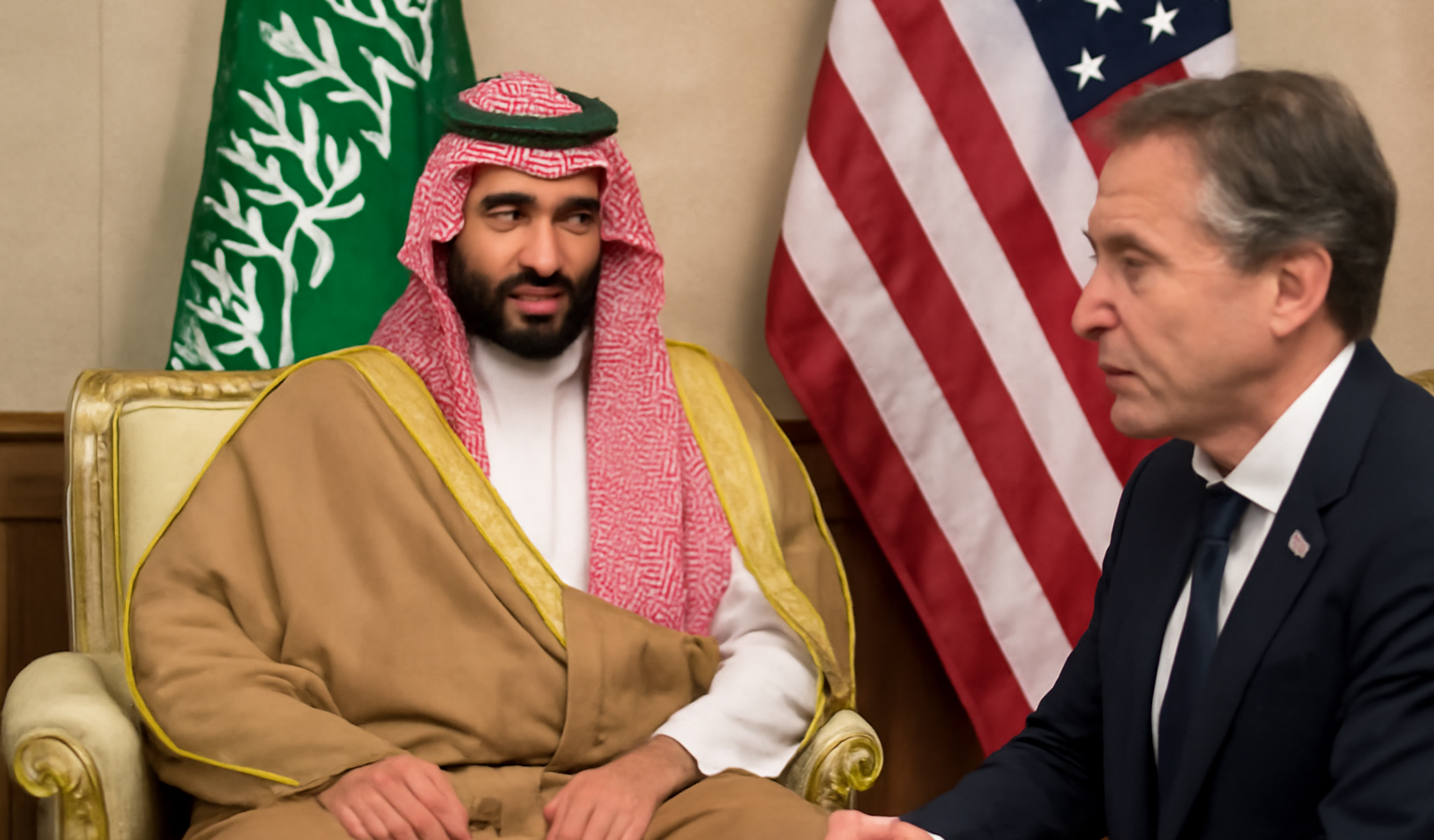
Saudi Crown Prince Calls for Action Against Houthis Amid Red Sea Threat
Saudi Crown Prince Mohammed bin Salman has reached out to U.S. President Donald Trump, urging him to take military action against the Houthi movement as tensions escalate in the Red Sea region. The Houthis, a Yemen-based militia, have been advancing towards a crucial chokepoint in the Red Sea, raising concerns over maritime security and the potential for broader regional conflict.
Significance of the Red Sea Chokepoint
The Red Sea serves as a vital artery for international trade, with significant shipping traffic passing through its waters. Any threat to this maritime route could have far-reaching implications for global commerce. The Houthis’ approach to this strategic area has prompted urgent discussions among international leaders about how to ensure the safety of navigation and trade.
Context of the Houthi Threat
The Houthi movement has been engaged in a prolonged conflict in Yemen, which has drawn in regional powers and resulted in a humanitarian crisis. Their recent actions, including military advances, have raised alarms within Saudi Arabia and among its allies, who view the Houthis as a proxy for Iranian influence in the region.
International Response and Implications
The Crown Prince’s call for U.S. military strikes indicates a potential shift in the dynamics of international involvement in the Yemen conflict. Should the U.S. respond favorably, it could escalate military engagement in the region, impacting relations with Iran and altering the balance of power in the Middle East.
As the situation develops, it remains to be seen how the U.S. will respond to Saudi Arabia’s request and what implications this may have for the ongoing conflict in Yemen and broader regional stability.
Original reporting by Axios.



Leave a Reply