
By Jack | 25 October 2026
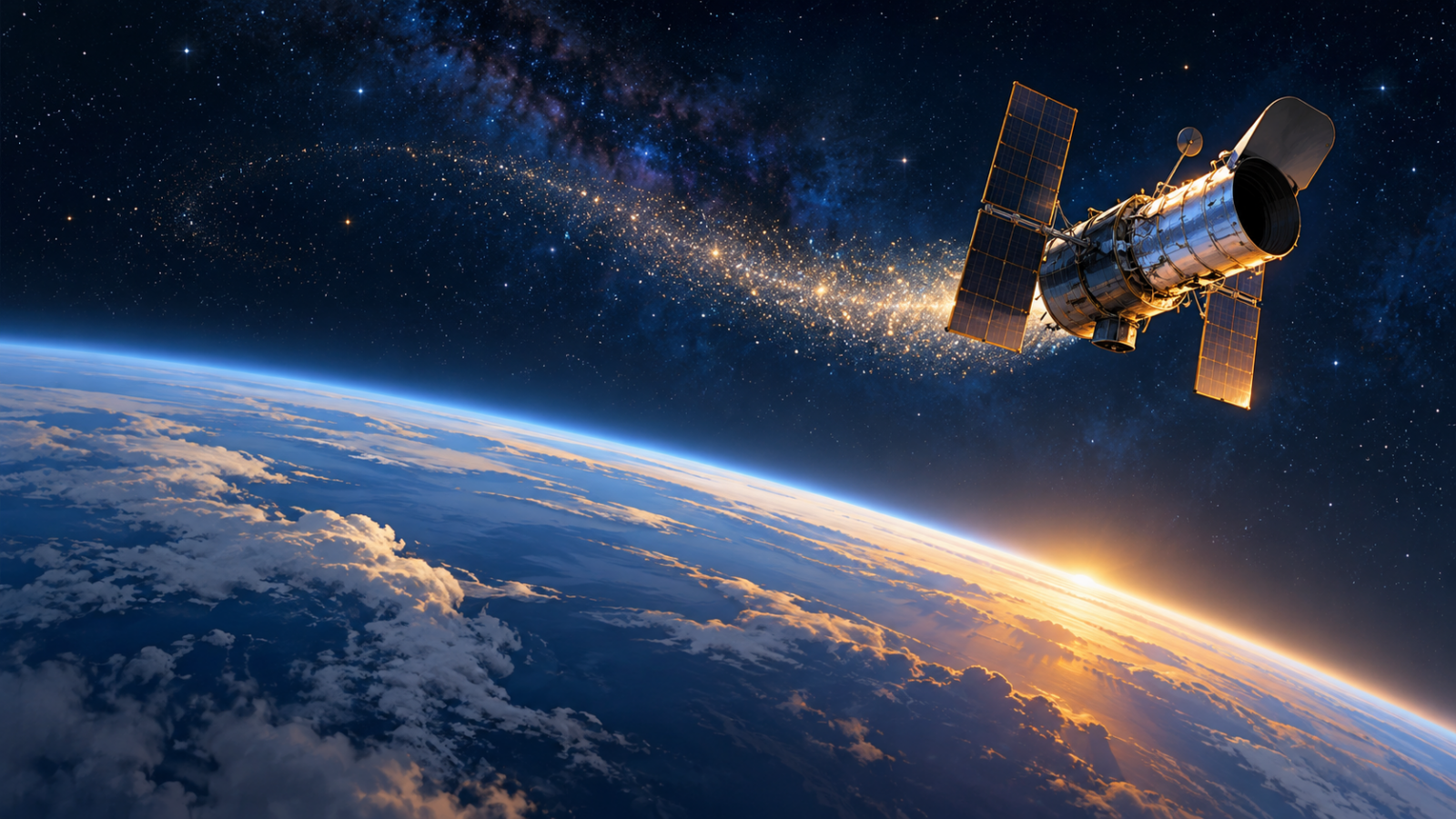
NASA’s Neil Gehrels Swift Observatory has ended its science mission after making its final observation on 20 October, the agency reported in a 23 October update. At an altitude below 275 kilometres, atmospheric drag was preventing the telescopes from holding steady on astronomical targets.
NASA expects atmospheric re-entry in the following weeks; that expectation should not be read as a confirmed re-entry date. The agency credits Swift with observing more than 2,000 gamma-ray bursts and contributing data to about 7,000 scientific papers.
A satellite’s observing life and its scientific life differ
Ending new measurements does not make existing measurements obsolete. An archive can support comparisons between events, checks of earlier interpretations and new questions that were not part of the original observing programme. Its usefulness depends on retaining the calibration, timing and other information needed to interpret the data.
For readers, this changes the meaning of a future “Swift discovery” headline. A paper may use observations collected years earlier, rather than indicate that the spacecraft has resumed operations. The dates of the measurement, analysis and publication should be distinguished.
Why rapid response mattered
NASA describes Swift’s role as detecting brief cosmic outbursts, locating them and helping other observatories respond before their afterglows faded. The value of that workflow comes from coordinating instruments, not simply collecting a visually striking picture.
Future assessments of the mission’s legacy can therefore ask two different questions: what physical discoveries its observations enabled, and how its alerts changed the way other telescopes were used. Neither requires the satellite to continue taking new observations.
Readers looking for re-entry information should follow subsequent official spacecraft updates rather than extrapolate a precise time from this science-mission announcement. Find more mission reporting in our science section.
Reporting note: Prepared with AI assistance using the linked sources. No on-site reporting, interviews or independent testing is claimed. Thumbnail: AI-generated conceptual illustration, not a documentary photograph or measured data. Corrections: support@globaldailytimes.com.
Leave a Reply