
By Jack | 22 October 2026
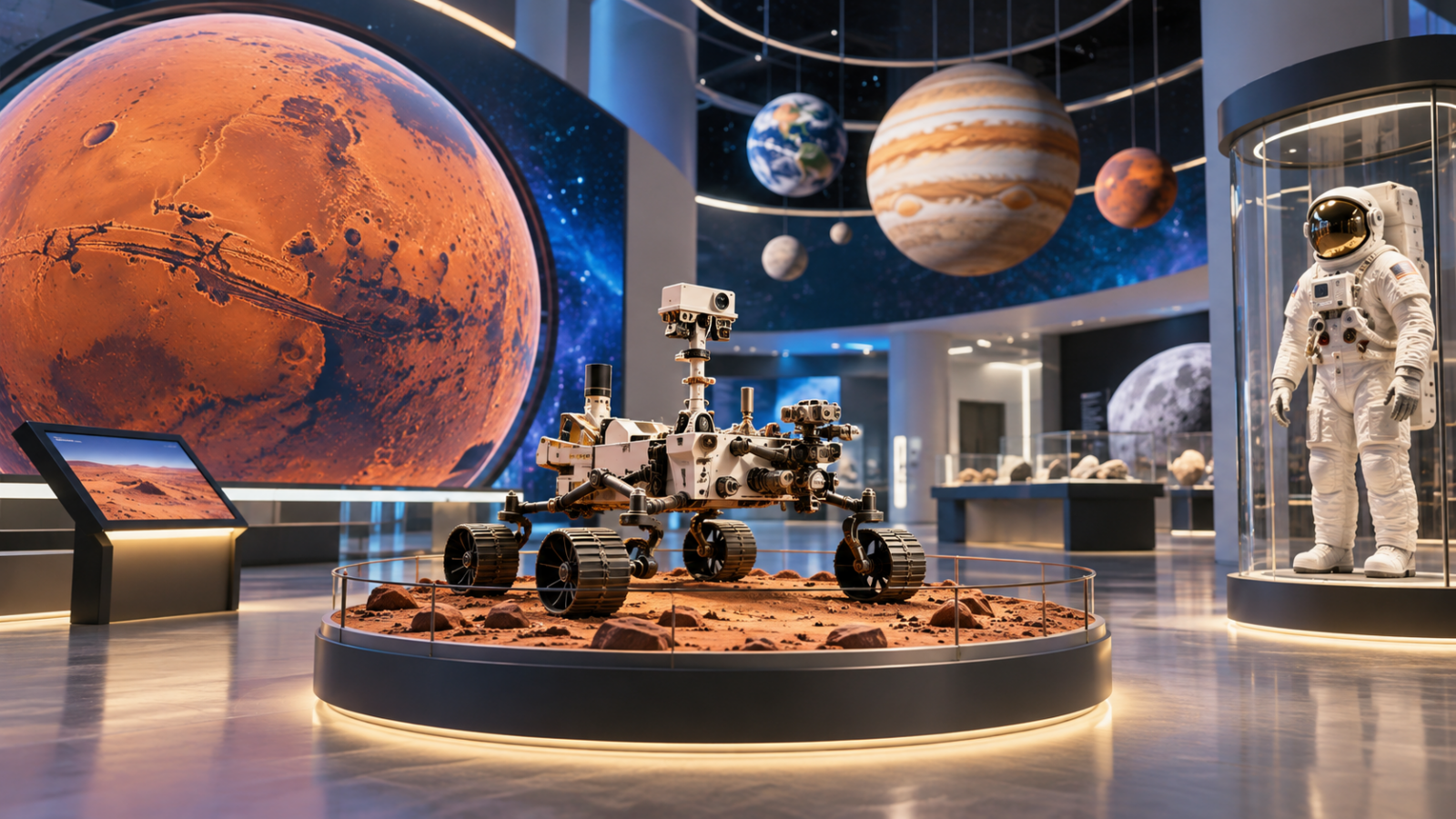
European Space Agency specialists are scheduled to take part in Europa-Park Science Days from 22 to 24 October in Rust, Germany, bringing space research into a public science setting. ESA’s 16 October programme announcement lists astronaut Alexander Gerst alongside experts in operations, robotics, climate observation and planetary research.
The planned activities include virtual-reality experiences relating to Hera and Argonaut, miniature Mars-rover demonstrations, interactive Earth-observation displays and robotics activities. Gerst’s 22 October schedule includes a keynote and a question session with children.
How hands-on exhibits can make space science useful
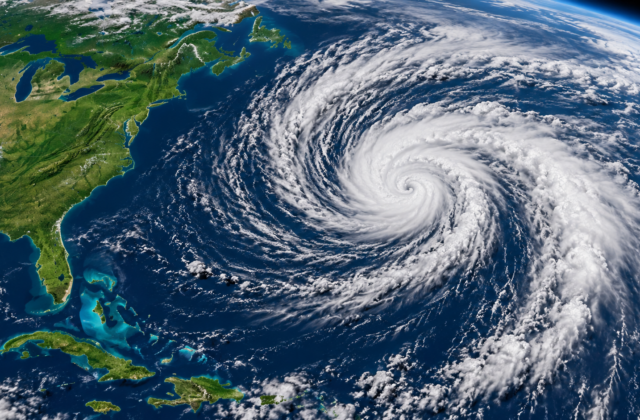
A rover display offers a starting point for a practical question: how does a machine act when its operator cannot stand beside it? An Earth-observation display raises another: what can a measurement from orbit tell us about changes on the ground? Asking those questions makes an exhibit more than a model to photograph.
For parents and teachers, a productive visit can focus on one investigation rather than trying to absorb every display. Ask what the instrument measures, what the demonstration leaves out, and how researchers check their interpretation. The answers help distinguish a simplified classroom representation from an operational spacecraft.
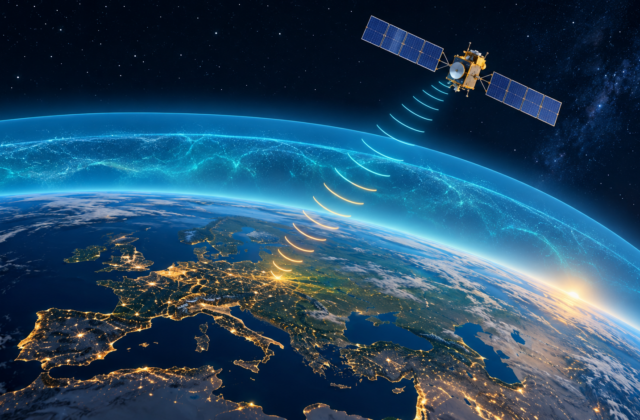
One practical example of space science affecting daily life is how the upper atmosphere alters navigation and radio signals. Our report on ESA’s ionosphere workshop and satellite signals explains that connection. Find related reports in our science section.
Check visitor and media arrangements separately
The ESA release is a media invitation. Its interview opportunities and accreditation arrangements should not be assumed to apply to every visitor. Before travelling, check admission, opening hours and participation rules directly with the venue organiser.
The timetable is a published plan, not proof that every session has already taken place. This report does not claim attendance, quote remarks delivered at the event or announce scientific results arising from it.
The immediate opportunity is access to explanations of how space missions work. Any later research finding should be assessed through its own evidence, not inferred from the presence of a mission model or a demonstration at the exhibition.
Reporting note: Prepared with AI assistance from the official sources linked above. No on-site reporting or independent testing is claimed. Corrections: support@globaldailytimes.com.
Leave a Reply