Tung Chee-hwa, Hong Kong’s First Leader Under Chinese Rule, Dies at 89
Tung Chee-hwa, Hong Kong’s first leader under Chinese rule, has passed away at the age of 89.

Tung Chee-hwa, Hong Kong’s first leader under Chinese rule, has passed away at the age of 89.
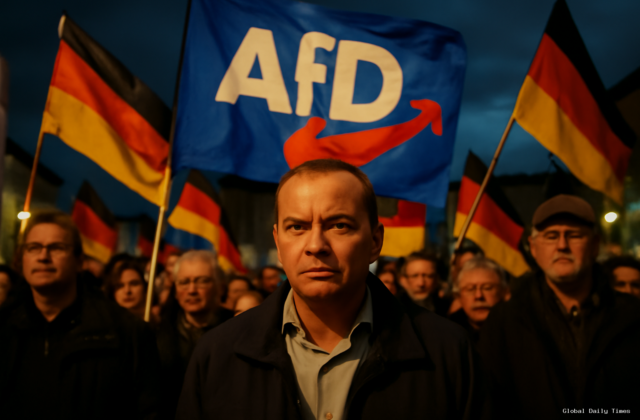
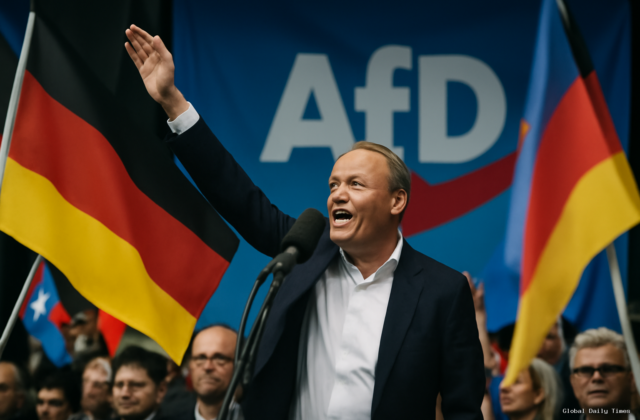
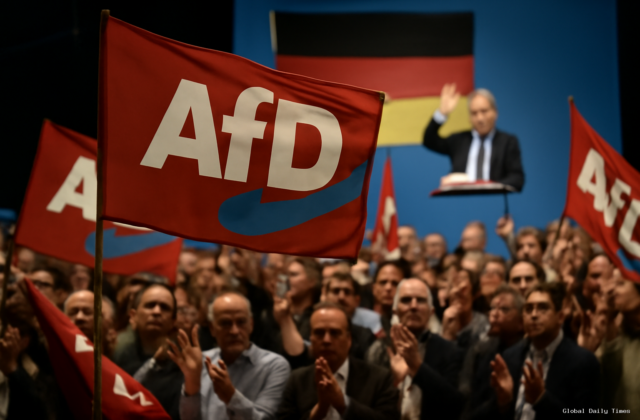
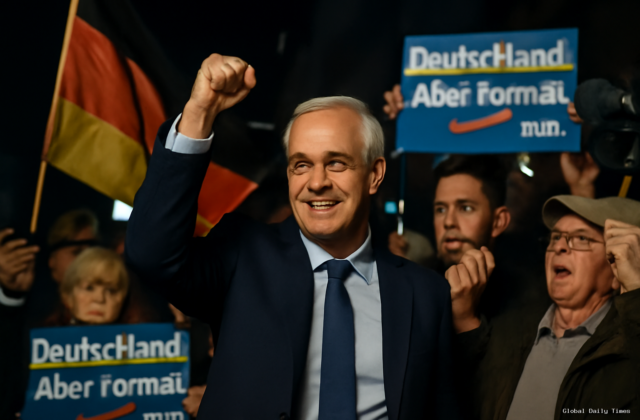
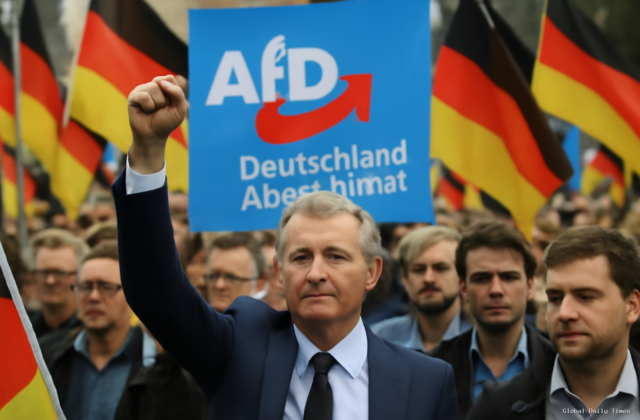
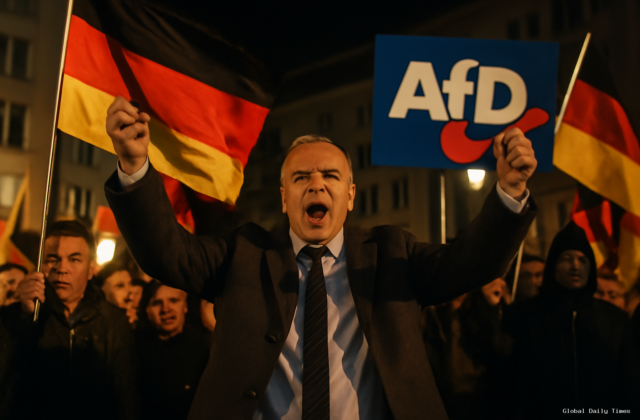
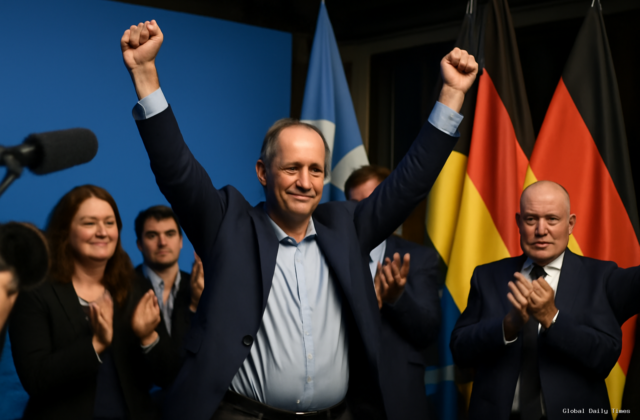
The Alternative for Germany (AfD) party has achieved a significant electoral milestone, marking a notable shift in German politics. Founded in 2013 initially as a euro-sceptic party, the AfD has evolved over the years, adopting more extreme positions, particularly regarding migration and national identity, contributing to the AfD far-right rise.
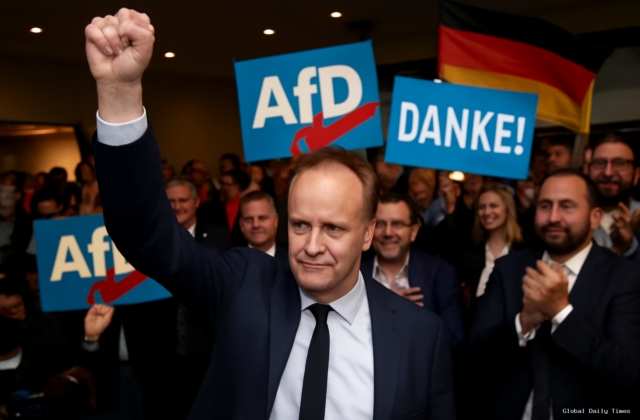
The Alternative for Germany (AfD) party has achieved a significant milestone in its political journey, marking a historic win that has raised questions about the increasing influence of far-right ideologies in the nation.
The AfD has shifted sharply right since its founding in 2013, capitalizing on public discontent over immigration and economic issues.
The Alternative for Germany (AfD) party has achieved a historic victory, marking a significant shift in the political landscape of Germany and highlighting the far-right rise in Europe. Founded in 2013 primarily as a euro-sceptic party, the AfD has increasingly adopted a far-right stance.
The Alternative for Germany (AfD) has seen a significant rise in support, driven by issues of immigration and economic strain, marking a shift in the political landscape.
The AfD, founded in 2013, has moved sharply right on migration and national identity, turning public anger into electoral support.
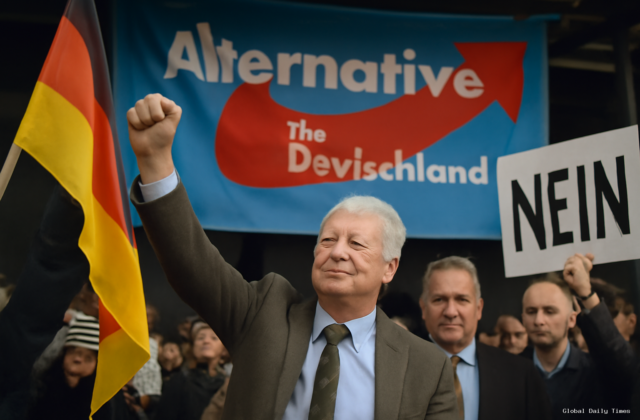
The AfD has shifted sharply right on migration and national identity, turning public anger over immigration and economic strain into electoral success, highlighting the AfD far-right rise.
The Alternative for Germany (AfD) party has achieved a significant milestone in its political journey, marking a historic win that raises questions about the rise of far-right ideologies in Germany.
The AfD, founded in 2013 as a euro-sceptic party, has shifted right on migration and national identity, turning public anger into electoral support. The AfD far-right rise reflects a significant change in the political landscape.